Skip to content

Not every children’s book earns a place in a child’s heart. Some get read once and forgotten. Others get carried around until the pages start falling out. The difference usually comes down to a handful of qualities that make engaging books for kids genuinely hard to put down. Whether you’re a parent, teacher, or librarian searching for the next great read, knowing what to look for makes all the difference.
What Makes Children’s Books Truly Engaging
Great children’s literature does more than fill a bedtime slot. It pulls young readers into a world they recognize or one they wish existed, keeps them curious about what happens next, and leaves them thinking long after the last page.
Engaging books for kids tend to share a few consistent qualities: vivid characters, a story worth following, language that feels natural rather than forced, and themes that resonate with real childhood experiences. When all of these elements come together well, reading stops feeling like a task and starts feeling like an adventure.
Relatable Characters and Emotional Connections
Children connect most deeply with characters who feel real. A child dealing with nerves on the first day of school, a sibling navigating jealousy, a kid who misses a grandparent these experiences create instant recognition. When young readers see themselves in a story, their investment in the outcome grows naturally.
Engaging books for kids use characters as emotional anchors. The story moves, but the character is who the reader follows, worries about, and cheers for.
The Role of Family-Centered Storytelling
Family is one of the most powerful storytelling frameworks in children’s literature because it is universally understood. Every child has a version of it, and every child has feelings about it.
Books about family explore dynamics that children are already living the warmth of belonging, the friction of change, the comfort of familiar relationships. When handled well, books about family validate what children feel and help them make sense of their world. They also open conversations between children and the adults reading alongside them.
Why Parents Prefer Meaningful Stories
Parents are increasingly selective about the books they share with their children. Beyond entertainment, they look for stories that carry something worth talking about afterward. Books about family consistently meet that standard because they reflect experiences the whole household can relate to.
Interactive and Imaginative Narratives
The best engaging books for kids invite participation. Whether through playful repetition, questions directed at the reader, or illustrations that hide details worth finding, interactive elements keep young readers active rather than passive.
Imagination matters too. Stories that introduce unusual worlds, unexpected friendships, or creative solutions to real problems encourage children to think beyond the obvious. That kind of reading builds the mental flexibility that benefits children well beyond the page.
Age-Appropriate Language and Honest Life Lessons
Language pitch matters enormously. Too simple and children disengage. Too complex and they lose the thread. The best children’s authors find the natural middle — language that is clear, expressive, and slightly expansive, giving young readers new words in a context that makes their meaning obvious.
Life lessons work similarly. Engaging books for kids rarely lecture. Instead, they let experiences unfold and allow readers to draw their own conclusions about kindness, courage, belonging, or loss.
Truly Engaging Books for Kids Worth Reading
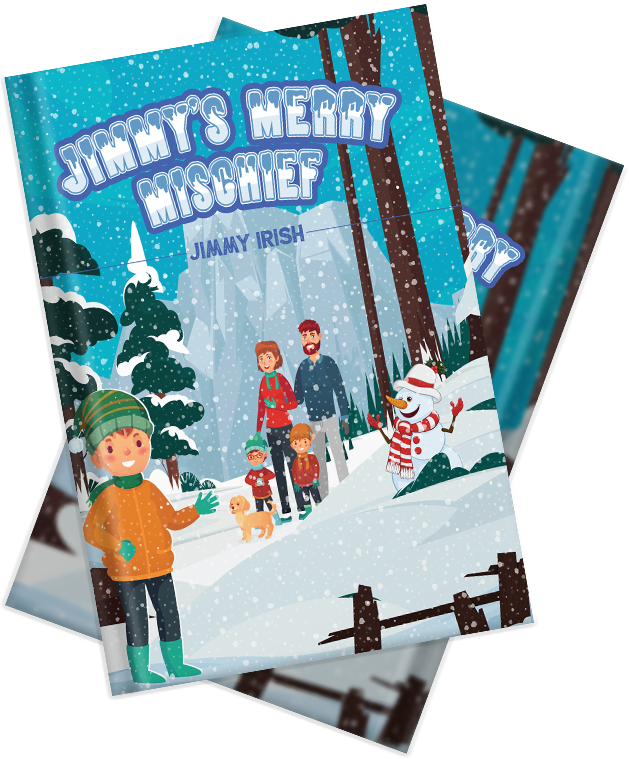
Little Brian, The Military Brat’s Best Christmas Ever! by Jimmy Irish
A heartfelt holiday story drawn from real military family life, following young Brian through relocation, adventure, and the discovery that home is less about a place and more about the people beside you. One of the most genuine books about family for young readers.
Charlotte’s Web by E.B. White
A timeless story of loyalty and loss between a pig and a spider. This beautifully written classic teaches children about friendship, sacrifice, and saying goodbye in ways that feel honest without being heavy.
The One and Only Ivan by Katherine Applegate
Told from a gorilla’s perspective, this moving story explores captivity, creativity, and the meaning of home. Young readers are captivated by Ivan’s voice and deeply invested in his fate.
Stellaluna by Janell Cannon
A young fruit bat falls into a bird’s nest and navigates belonging in an unfamiliar world. This gentle story about identity and acceptance resonates with children experiencing change or feeling out of place.
Owl at Home by Arnold Lobel
Warm, funny, and quietly wise, this early reader follows Owl through a series of small domestic adventures. Perfect for newly independent readers who enjoy gentle humor and cozy storytelling.
Front Desk by Kelly Yang
A story about a young immigrant girl navigating a new country while helping her family run a motel. Among the most powerful books about family for middle-grade readers, it handles themes of identity and perseverance with remarkable clarity.
What Great Children’s Books Leave Behind
The qualities that make engaging books for kids memorable are not accidental. Relatable characters, honest emotions, imaginative storytelling, and themes rooted in real childhood experience all work together to create books that stay with young readers.
Books about family hold particular staying power because they reflect something children already understand and care about deeply. When a story captures that well, it becomes more than a book it becomes a reference point, a comfort, and a conversation starter.
The stories worth seeking out are the ones that entertain fully and mean something quietly. Those are the books children ask to read again.