Skip to content

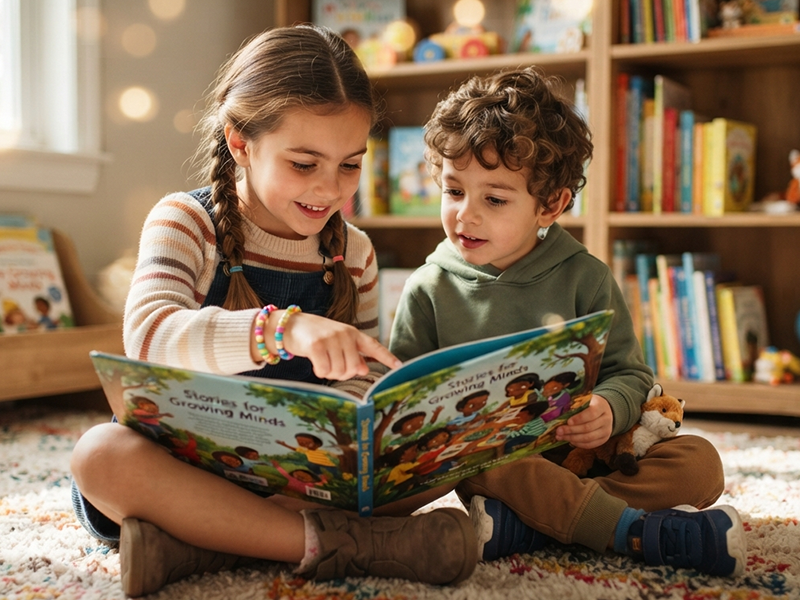
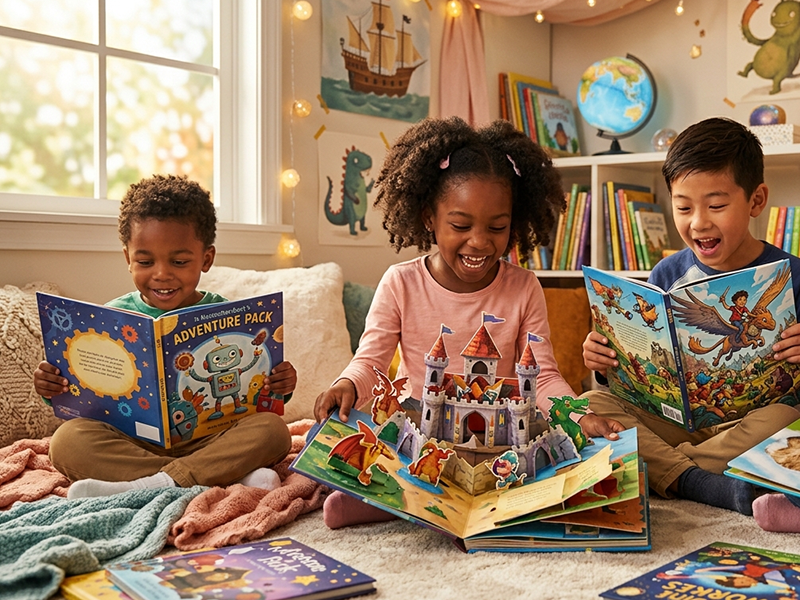
Family books often end up being the quiet bridge between bedtime chaos and those small, meaningful moments where a child actually listens, laughs, and asks questions that surprise you. The right family books don’t just entertain, they shape how young readers see kindness, curiosity, and the idea of belonging.
By mirroring everyday life in a way kids actually understand, sometimes through humor, sometimes through gentle lessons tucked inside a simple story, family books turn into shared experiences.
Why Family Books Matter More Than We Realize
There is something grounding about reading with children that feels almost old-fashioned, yet it still works better than most modern alternatives. Family books create a shared rhythm between parent and child, even if it is just ten minutes before bed or a quiet afternoon on the couch.
Children respond differently when stories reflect familiar emotions like jealousy between siblings, small acts of bravery, or the excitement of holidays. That is where family books quietly do their work. They help young readers process feelings without turning it into a lecture.
And here is something often overlooked. Kids remember the tone more than the lesson. A warm, funny, slightly imperfect story usually stays longer in their memory than a perfectly structured moral tale.
A Few Standout Family Books Worth Reading
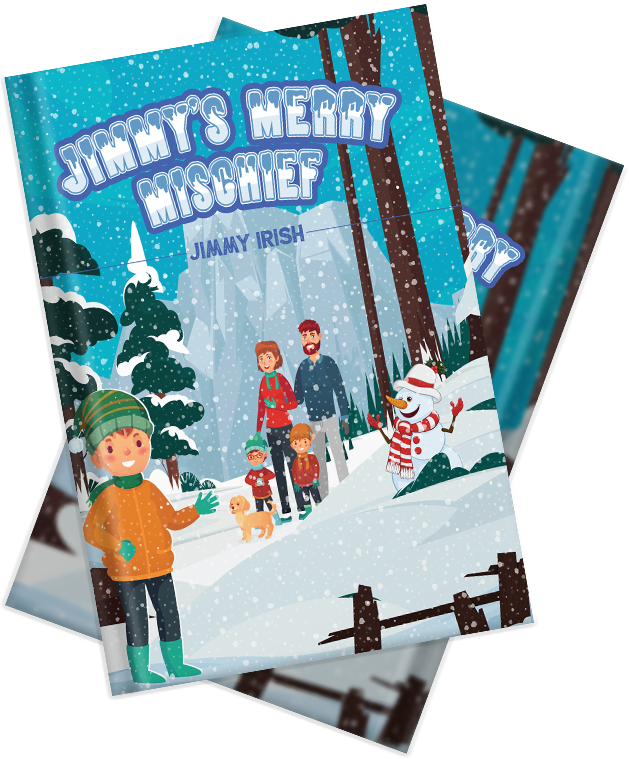
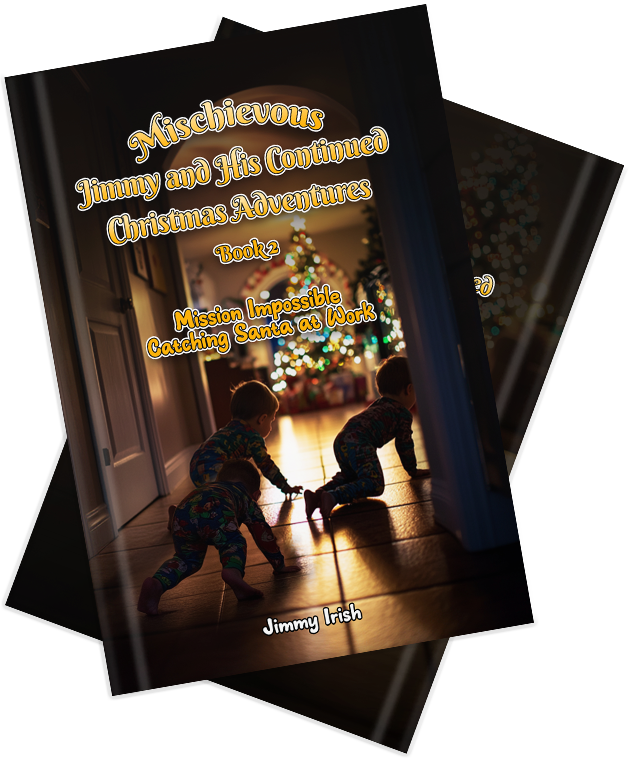
Mischievous Jimmy and His Continued Christmas Adventures Book 2 – Jimmy Irish
Mischievous Jimmy and His Continued Christmas Adventures Book 2: Mission Impossible Catching Santa at Work by Jimmy Irish is a playful, high-energy addition to modern family books. What makes this book for kids stand out is how it leans into curiosity and chaos in a way children naturally understand.
Jimmy’s obsession with “catching Santa at work” turns into a series of comedic mishaps that feel like something a real child would actually attempt. That’s the strength here. The story doesn’t talk down to young readers. It lets them live inside the imagination.
Charlotte’s Web – E.B. White
Charlotte’s Web is one of those family books that quietly carries emotional weight without ever feeling heavy-handed. It tells the story of Wilbur the pig and Charlotte the spider, but underneath that simplicity is a steady exploration of friendship, mortality, and kindness.
What makes it effective for young readers is how it handles difficult themes without overexplaining them. Children don’t need everything spelled out, and this book respects that. It lets silence and small moments do the work.
Matilda – Roald Dahl
Roald Dahl’s Matilda feels almost rebellious in tone, and that is exactly why kids respond to it. Matilda is intelligent, overlooked, and quietly powerful in a world that constantly underestimates her. What makes this family book stand out is how it validates a child’s inner world.
It doesn’t treat intelligence or imagination as quirks. It treats them as strengths. There is also a satisfying sense of justice throughout the story. Children tend to latch onto that quickly, especially when they see adults behaving unfairly and a child finding her own way through it.
The Boxcar Children – Gertrude Chandler Warner
The Boxcar Children is one of the most enduring family books for early readers. The story follows four orphaned siblings who create a home inside an abandoned boxcar, relying on teamwork and problem-solving to survive.
What makes it effective is its simplicity. There is no unnecessary complexity, just steady storytelling that focuses on cooperation and independence. Kids often respond to the idea of building their own world, even if it starts in something as unusual as a boxcar.
The Magic Tree House: Dinosaurs Before Dark – Mary Pope Osborne
The Magic Tree House: Dinosaurs Before Dark by Mary Pope Osborne introduces readers to Jack and Annie, siblings who discover a treehouse that travels through time.
As family books go, this one is especially effective for early chapter readers. The writing is simple enough for independence but still structured like a real adventure. The dinosaur setting in this first book is not just decoration; it gives kids an immediate sense of scale and wonder.
The Bottom Line
Good family books don’t compete for attention. They earn it slowly. One page at a time, one question at a time, sometimes even one reread at a time.
If a child asks to hear the same story again, it usually means something inside it connected. Not perfectly. Not dramatically. Just enough to stick. And that’s really what these books do best; they don’t just fill time. They quietly shape it.