Skip to content

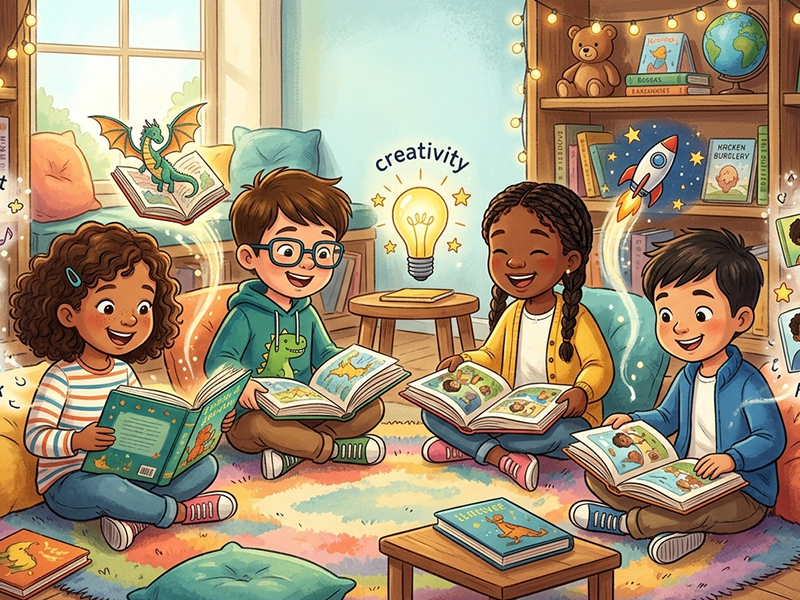
Finding the right book for kids is rarely about picking the brightest cover or the most popular title on a shelf. Parents and educators usually want something more lasting. They want a story that keeps children interested, yes, but also one that quietly leaves something meaningful behind.
The best children’s books do both at once. They entertain in the moment and stay with a child long after the final page is turned. A truly memorable book for kids doesn’t just tell a story. It helps shape curiosity, empathy, imagination, and even the way children begin to understand their own feelings.
If you’ve been on the search for the best books for your little ones, below we highlight the qualities every worthwhile children’s titles include.
A Story That Feels Immediate and Easy to Enter
Children decide quickly whether a story has their attention. If the opening feels flat, they drift. If it sparks a question, a laugh, or a moment of surprise, they lean in.
A strong book for kids usually begins with something instantly relatable: a problem, a funny misunderstanding, a curious child, or a situation they can picture clearly. It doesn’t need to be complex. In fact, simpler is often stronger.
Characters Children Can Recognize in Themselves
Kids connect with people before they connect with themes. A meaningful book for kids should include characters who feel emotionally real, even in a playful or exaggerated story. The main child character does not need to be perfect. Honestly, it’s better when they aren’t.
Messy, impulsive, curious, stubborn, kind-hearted children make the best protagonists because real children see themselves in those traits. When young readers spot their own behavior in a character, the story becomes more than entertainment. It becomes a mirror.
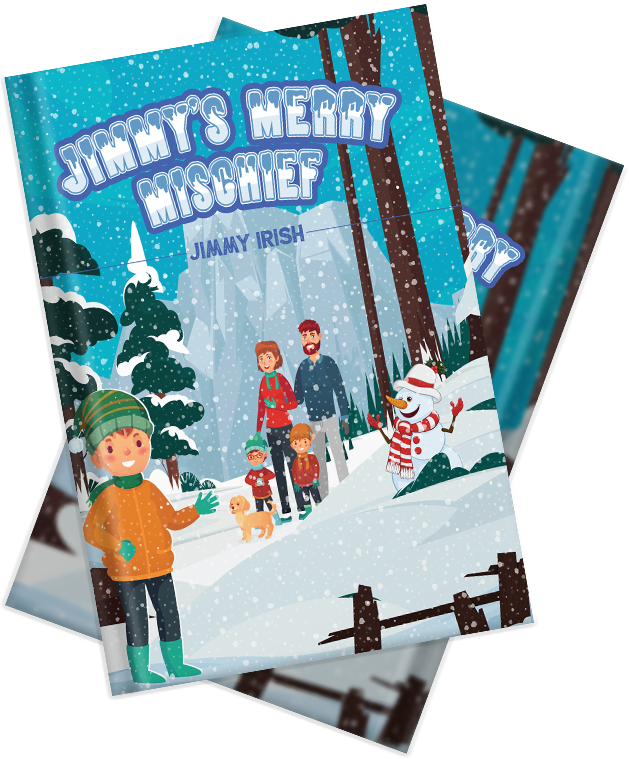
That’s one reason stories like Jimmy’s Merry Mischief work so naturally. This kid books follows a child trying to help and accidentally causing mayhem around the Christmas tree, which feels immediately familiar. Jimmy’s mistake comes from innocence, which makes the lesson feel gentle and believable.
Meaningful Lessons That Never Feel Forced
This may be the single most important quality in a book for kids. Children can sense when a story is trying too hard to “teach” them.
The best books slip lessons into the emotional movement of the plot. Instead of saying always listen to your parents, they show what happens when a child doesn’t. Instead of announcing that family traditions matter, they let children experience why those traditions feel special.
A Balance of Humor and Heart
Kids love to laugh. Adults sometimes underestimate how important humor is in a children’s story. A memorable book for kids should include moments of surprise, silliness, and light chaos. Funny scenes create emotional openness.
Once a child is laughing, they are much more willing to absorb the deeper emotional moments that follow. Humor also makes rereading more likely. And rereading? That’s where lessons often settle in.
Books like Jimmy’s Merry Mischief seem to understand this balance well. The playful disaster of a child taking down a Christmas tree alone is funny on the surface, but underneath it sits a warm lesson about family, communication, and understanding.
Age-Appropriate Language Without Talking Down to Children
Children deserve respect as readers. A good book for kids uses clear language suited to its age group, but it should never feel overly simplified or patronizing. Young readers respond best to writing that sounds natural and alive.
Shorter sentences help with rhythm, but variety matters too. A few punchy lines. A few flowing ones. Dialogue that sounds like something a real child might say. This keeps the reading experience lively.
Emotional Safety with Real Stakes
Here’s something parents and educators often look for: emotional challenge without emotional overwhelm. A strong book for kids should include conflict, tension, or mistakes, but the child should feel safe within the world of the story.
The problem needs to matter. Maybe something breaks. Maybe someone feels guilty. Maybe a misunderstanding causes worry. But the resolution should offer reassurance.
Children need stories that acknowledge uncomfortable feelings while showing that love, forgiveness, and understanding are still available. That emotional arc builds confidence.
Room for Conversation After the Story Ends
The best book for kids doesn’t stop when the final page ends. It opens a door. Parents and teachers should be able to ask questions like:
- Why do you think the character made that choice?
- What would you have done?
- Have you ever made a mistake like that?
- What do family traditions mean to you?
These conversations are often where the deepest learning happens. A thoughtful book for kids becomes a shared experience rather than a one-time read.
Why These Qualities Matter More Than Ever
Children remember stories long after they forget instructions. That’s why choosing the right book for kids matters so much. Stories shape emotional memory.
They help children understand consequences, compassion, and the comfort of family bonds in ways direct teaching often cannot. Books that combine humor, heart, and meaningful lessons tend to become family favorites for a reason.
They are not just stories. They become rituals, memories, and reference points that children carry with them. And really, isn’t that what great children’s literature is supposed to do?